The Electric Disruptor:
How Tesla Sparked a Revolution
For over a century, the automotive industry followed a predictable, comfortable script. Gasoline was king, exhaust notes were the measure of performance, and the barrier to entry for a new car company was practically insurmountable.
Then came 2003.
Named in honor of electrical engineer and inventor Nikola Tesla, a tiny startup in California set out with a radical, borderline crazy goal: to prove that electric vehicles didn’t have to be glorified, slow golf carts. They wanted to build electric cars that were better, faster, and cooler than their gasoline-powered rivals.
The Master Plan
Tesla’s strategy was unique. Instead of trying to build an affordable mass-market electric car right out of the gate—which would have been financially impossible at the time—they started from the top down.
First came the Tesla Roadster in 2008. Built on a Lotus chassis, it was a low-volume, expensive sports car that shocked the world by traveling over 200 miles on a single charge and hitting 60 mph in under four seconds. It proved to skeptics that electric tech possessed high-performance soul.
With the money made from the Roadster, they built the Model S sedan in 2012. It wasn’t just a great electric car; it was widely praised as one of the best luxury sedans on the market, period. It introduced features that are standard today, like massive touchscreen dashboards and over-the-air software updates that literally upgraded the car while the owner slept.
Changing the World’s Infrastructure
Building a great electric car is one thing, but getting people to buy it requires solving “range anxiety”—the fear of getting stranded with a dead battery. Tesla understood this better than anyone. They didn’t just wait for governments or utility companies to build charging stations; they built their own.
The Tesla Supercharger network became the company’s secret weapon. By placing high-speed chargers along major highways worldwide, Tesla made long-distance road trips a seamless reality for EV drivers, establishing a massive competitive advantage that traditional automakers are still scrambling to match.
Driving into the Mainstream
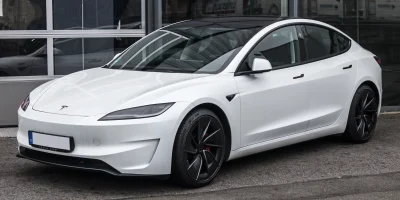
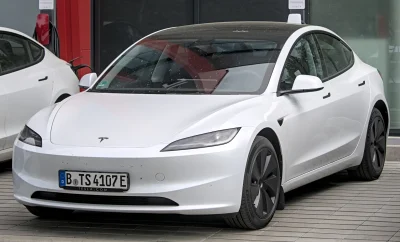
The ultimate goal was always mass-market adoption, which arrived with the Model 3 and the Model Y crossover. These vehicles transformed Tesla from a niche Silicon Valley experiment into a global manufacturing powerhouse, with the Model Y famously becoming the best-selling vehicle on Earth.
Today, Tesla is no longer just a car company; it’s an energy ecosystem. From the angular Cybertruck to large-scale solar grids and home battery storage solutions, the company shifted the global conversation. Every major legacy automaker is now spending billions to transition to electric power. And it all started because a few engineers looked at a lithium-ion battery and dared to think differently.